Designing for climate resilience: preparing roof systems for heat, storms and extremes
Why resilient roofing is becoming a design requirement
Extreme weather is no longer an occasional stressor for buildings in the Northeast. It is a consistent condition that directly impacts roof performance.
According to the National Oceanic and Atmospheric Administration, the region has experienced a more than 70% increase in the amount of precipitation falling during the heaviest events since the mid-20th century, the largest increase of any region in the United States.
In Boston, annual precipitation has increased by approximately 6 to 8 inches over the past century, with a greater share coming from high-intensity storms. New York City has also seen a rise in extreme rainfall events, contributing to more frequent drainage overload and localized flooding.
At the same time, data from the Intergovernmental Panel on Climate Change shows that heat waves are occurring more frequently and lasting longer, increasing thermal stress on roofing materials and accelerating system wear.
These conditions directly affect how roof systems perform. In many cases, assemblies are exposed to more water, more heat, and more stress than they were originally designed to manage.
For commercial buildings, the roof is the first line of defense. Roof systems are now expected to manage more water, more heat, and more frequent storm events than most were originally designed for.
How climate stress impacts roof systems
Roof systems are exposed to a combination of stressors that are becoming more pronounced:
- Heat accelerates membrane aging, expansion, and material fatigue
- Heavy rainfall increases the risk of ponding and water intrusion
- Wind and storm events place additional stress on attachments, edges, and flashing
- Freeze-thaw cycles continue to impact assemblies in colder climates
These conditions rarely act independently. In many cases, they compound, placing additional strain on materials and detailing.
Without proper design and maintenance, even well-installed systems can begin to break down under repeated exposure.
Selecting the right roof system for performance & extreme weather
Different roof systems respond differently to environmental stress. Selecting the right system plays a key role in long-term resilience.
Based on systems used across the industry and outlined by Greenwood Industries:
- EPDM roofing systems
Known for flexibility and durability, EPDM performs well under temperature fluctuations and UV exposure, making it a strong option for long-term performance in variable climates. - TPO and PVC systems
These reflective membranes help reduce heat absorption, improving energy efficiency and reducing thermal stress on the building. They are often used where heat mitigation is a priority. - Built-up roofing (BUR) and modified bitumen
Multi-layer systems provide redundancy and durability, particularly in high-traffic or high-exposure environments. - Metal roofing systems
Highly durable and resistant to weather exposure, metal systems perform well in high-wind conditions and can be designed for long service life with proper detailing. - Vegetative (green) roof systems
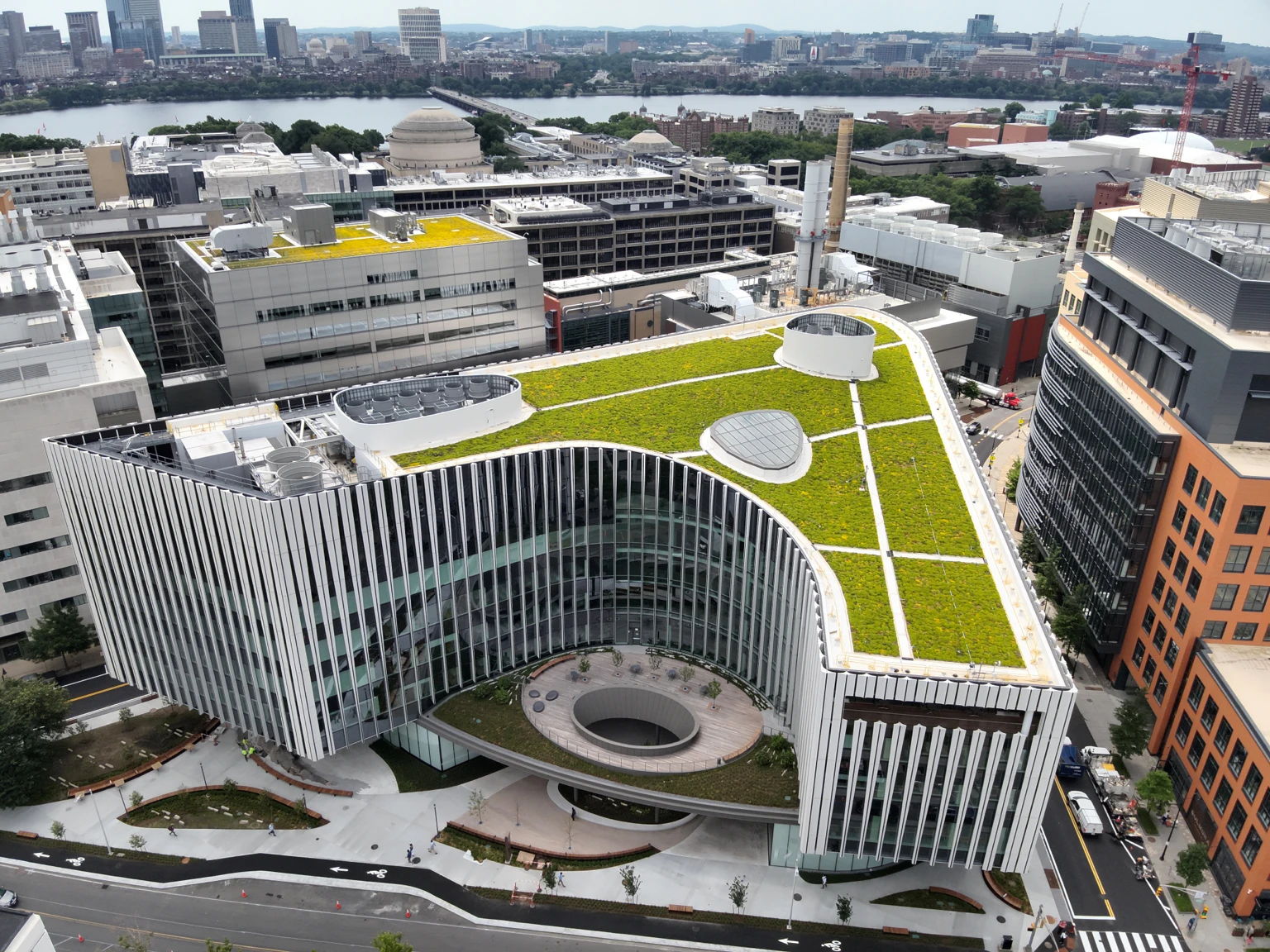
Layered assemblies that incorporate waterproofing, drainage, and vegetation, green roofs help manage stormwater and reduce roof surface temperatures, supporting both system protection and environmental performance.
- Solar (photovoltaic) roof systems
Solar systems integrate energy generation with roofing assemblies, requiring coordinated design to maintain waterproofing integrity while potentially reducing surface temperatures through panel shading.
Each roofing system has advantages, but performance ultimately depends on how it is designed, installed, and maintained as part of the full building envelope.
The importance of detailing and system integration
Resilience is not determined by membrane selection alone. Failures often occur at transitions and details:
- Roof-to-wall intersections
- Penetrations and mechanical curbs
- Drainage and slope conditions
- Edge metal and attachment points
As weather becomes more extreme, these areas are subjected to greater stress. Proper detailing and coordination across trades are critical to ensuring continuity and performance.
Roof maintenance as a resilience strategy
Even the most robust roof systems require ongoing maintenance to perform as intended.
As conditions become more demanding, the role of maintenance becomes more important. Small issues, such as minor membrane damage, clogged drainage, or failing sealants, can escalate quickly under extreme weather conditions.
Through Greenwood Performance Advantage (GPA) Packages, facility teams can take a proactive approach to:
- Routine inspections
- Preventative maintenance
- Early identification of vulnerabilities
- Prioritized repair planning
This approach helps extend system life, reduce emergency repairs, and improve overall performance in changing conditions.
Planning ahead for seasonal exposure
Late spring and early summer are key windows for evaluating roof performance.
Winter conditions may have introduced damage, while upcoming summer heat and storm activity will place additional demands on the system. Addressing issues now allows facility teams to:
- Prepare for peak weather conditions
- Avoid mid-season failures
- Coordinate repairs before schedules tighten
Closing thoughts
As summer approaches, roof systems will face increased heat, UV exposure, and the potential for severe storm activity.
Designing for climate resilience is not about predicting specific events. It is about preparing for a wider range of conditions than buildings have historically experienced.
By selecting appropriate roof systems, focusing on critical details, and prioritizing maintenance, facility teams can improve performance, extend service life, and reduce long-term risk.
If your roof system has not been evaluated recently, now is the time to assess how it will perform under the conditions ahead.
For support in planning a new project or establishing a proactive maintenance program, contact the Greenwood Industries team to discuss your building’s needs.