• Employee Login
Greenwood Industries
  • Services
    • New Construction
    • Re-Roofs
    • Commercial Roof Maintenance
    • Commercial Roof Repair
    • Architectural Metal
    • Historic Restoration & Masonry Repair
    • Waterproofing
    • Greenwood Performance Advantage™
    • ErectaStep
    • Safety Audit
    • Drone Inspections
    • Emergency Services
  • Maintenance
    • Maintenance & Repairs Packages
    • Roof Restoration & Warranty
    • Campus Care
  • Safety
  • Projects
  • Roof Systems
    • Commercial
    • Metal
    • Green
    • Solar
  • Blog
  • About
    • Insurance/Bonding
    • Registrations & Licenses
    • News
    • Who We Are
    • Leadership Team
    • Mission & Values
  • Careers
  • Contact
    • Locations
  • Menu Menu

What is Building Envelope Repair?

May 30, 2026

The building envelope is the physical barrier that separates a building’s interior from the outside environment. It plays a key role in protecting patrons and the structure itself from weather, moisture, temperature fluctuations, and air infiltration.

A properly functioning building envelope helps preserve structural integrity while reducing energy consumption, leading to quality long-term performance for your property. When components of the envelope begin to deteriorate or fail, building envelope repair becomes essential to prevent further damage and extend the life of your structure.

Key Components of a Building Envelope

A building envelope consists of several interconnected systems that work together to protect a building from external elements.

Roof Systems

The roof is often the first line of defense against rain, snow, UV exposure, and extreme temperatures. Roofing systems must remain watertight and durable to prevent moisture intrusion and structural damage.

Exterior Walls

Exterior walls provide protection from weather while supporting thermal performance and air control. These systems may include masonry, metal panels, precast concrete, EIFS, and other façade materials.

Windows and Doors

Windows and doors help regulate airflow, light, and energy efficiency. They must be properly sealed and maintained to prevent leaks, drafts, and heat loss.

Foundations

The foundation supports the entire structure and protects against groundwater intrusion. Cracks or settlement issues can compromise integrity of the building envelope and require timely repairs.

Expansion Joints and Sealants

Expansion joints allow building materials to expand and contract due to temperature changes. Sealants create weather-tight connections between building components and help prevent water and air from leaking in.

What Does Building Envelope Repair Include?

Building envelope repair encompasses a wide range of services designed to restore the performance of your exterior building systems.

It’s important to distinguish between maintenance, repair, and replacement:

  • Maintenance includes routine inspections, cleaning, and preventative work to keep systems functioning properly.
  • Repair addresses immediate damage, deterioration, or performance issues while preserving the existing systems whenever possible.
  • Replacement involves removing and installing entirely new components when systems have reached the end of their functionality.

Building envelope repairs are typically performed when failures are identified that impact weather protection, heat retention, or structural stability. The goal is to restore proper performance while minimizing disruptions to the facility and its occupants.

Common Building Envelope Repairs

Building envelope issues can develop in many areas of your property. Some of the most common repair services include:

Waterproofing

Water intrusion is one of the most damaging threats to any building. Waterproofing repairs may involve restoring below-grade waterproofing, applying or reapplying protective coatings, or repairing drainage systems to keep water flowing away from the building.

Masonry Repair and Restoration

Over time, brick, stone, and concrete structures can deteriorate due to weather exposure and moisture infiltration. Masonry repairs often include repointing mortar joints or replacing damaged brick, stone, or other masonry materials.

Façade Repair

Building facades experience constant exposure to the weather around them. Façade repairs may involve replacing damaged cladding materials or stabilizing structural elements.

Sealant and Joint Replacement

Aging sealants can crack and shrink over time, creating pathways for water intrusion. Repairs often include replacing compromised materials and repairing flashing assemblies.

Signs Your Building Envelope Needs Repair

Recognizing the early warning signs of building envelope failure can help property owners address issues before they lead to more extensive damage and costly repairs. Common indicators include:

  • Water leaks or moisture intrusion such as ceiling stains, damp walls, or recurring leaks
  • Cracking or spalling masonry that may indicate moisture-related deterioration
  • Mold or mildew growth caused by ongoing moisture infiltration
  • Drafts, inconsistent temperatures, or rising energy costs resulting from air leakage
  • Interior damage tied to exterior failures, including peeling paint, cracked drywall, warped materials, or staining

If any of these issues are present, it’s important to have your building envelope evaluated by a qualified professional to determine the source of the problem and recommend appropriate repairs.

Why Building Envelope Repair is Important

Timely building envelope repairs help protect both the current performance and the long-term value of your property. Key benefits of building envelope repair include:

  • Protecting structural integrity by preventing moisture-related deterioration
  • Improving energy efficiency through reduced air leakage and better thermal insulation
  • Extending building lifespan by addressing issues before they lead to significant structural damage
  • Preventing costly emergency repairs through proactive identification and correction of building envelope deficiencies

Investing in your building envelope with proactive repairs and consistent maintenance ensures that the critical exterior systems protecting your patrons continue to perform as intended.

Building Envelope Repair vs. Maintenance

While the terms are often used interchangeably, building envelope repair and maintenance serve different purposes.

Maintenance focuses on prevention. Routine inspections, sealant assessments, and cleanings help identify issues before they become larger, more expensive, problems. Repair, on the other hand, addresses damage that has already occurred.

The most cost-effective approach combines both strategies. Regular maintenance can reduce the overall frequency and severity of repairs, leading to lower costs and improved performance throughout your property’s lifecycle.

Learn more about the benefits of proactive care in our article on building envelope maintenance for long-term durability and cost savings.  

When to Call a Building Envelope Repair Specialist

Building owners and facility managers should seek professional assistance when signs of envelope wear become apparent.

Inspections

Routine professional inspections can identify hidden or hard-to-spot issues before they develop into larger problems. Our specialists use their expertise to assess the condition of your building envelope and recommend appropriate corrective actions and next steps.

Large-Scale Deterioration

Widespread masonry damage, façade distress, waterproofing issues, or roofing failures often require specialized repair solutions and comprehensive planning.

Persistent Leaks or Temperature Retention Issues

If leaks continue despite previous repair attempts, a building envelope specialist can perform detailed investigation to identify the root cause.

Partner with Greenwood Industries for Building Envelope Repair

Protecting your building starts with maintaining the systems that protect it from the elements around it. Whether you’re addressing water infiltration, deteriorating masonry, façade damage, roofing concerns, or aging sealants, timely building envelope repair can help preserve your property’s performance and value for years to come.

Greenwood Industries provides comprehensive building envelope services designed to help owners extend asset life, improve energy efficiency and avoid costly future repairs.

Explore our full range of building envelope and roofing services or contact our team today to schedule an inspection and discuss your building envelope needs.

https://greenwoodindustries.com/wp-content/uploads/2025/06/greenwood-logo.webp 0 0 HM WP https://greenwoodindustries.com/wp-content/uploads/2025/06/greenwood-logo.webp HM WP2026-05-30 12:59:572026-10-26 08:54:15What is Building Envelope Repair?
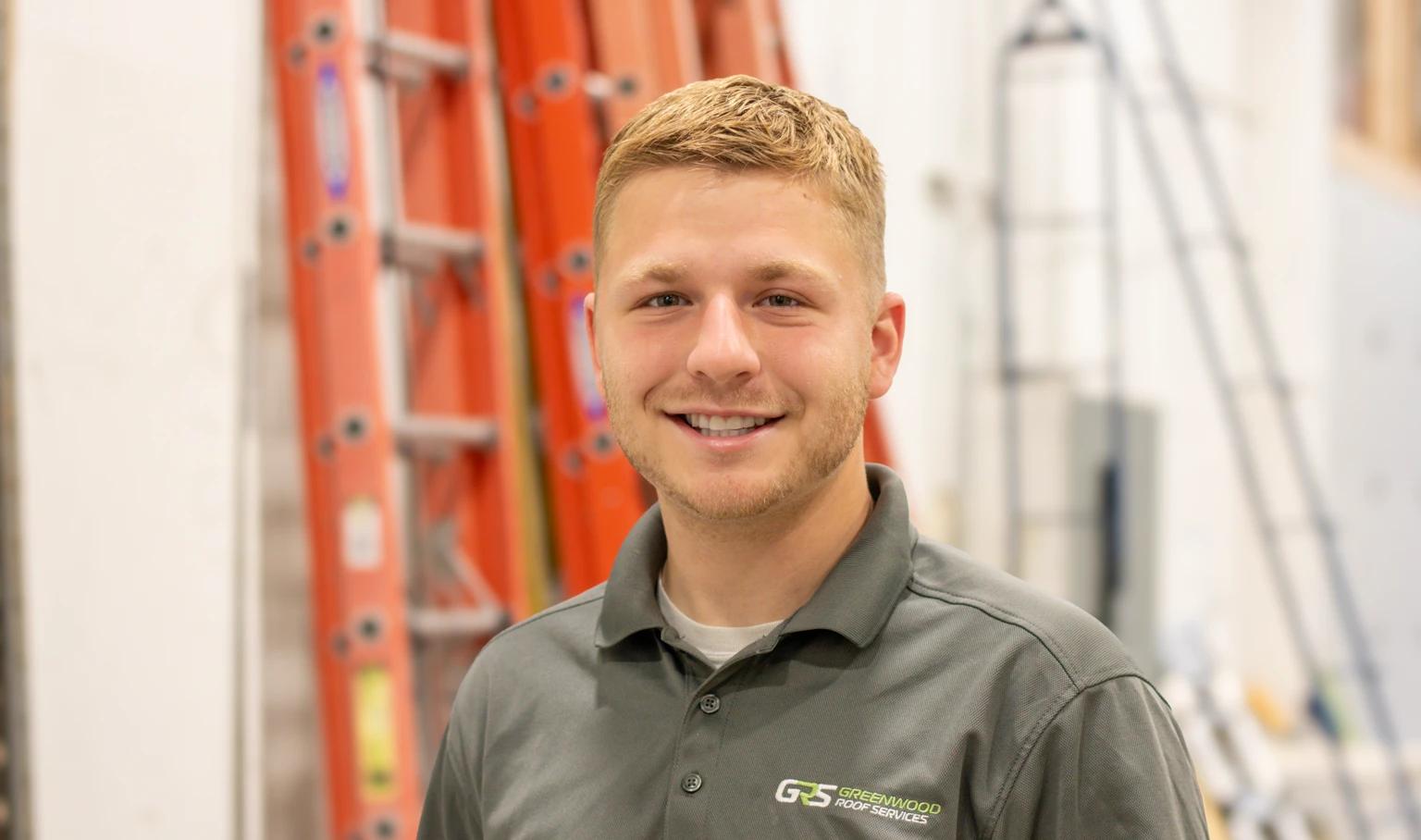
Mark Malcarne

3 Common Issues That Lead to Emergency Roof Service Calls

May 18, 2026

Practical Insights for Long-Term Building Performance

Across commercial facilities, emergency roof service calls are rarely isolated events. They typically stem from recurring and preventable conditions. According to Account Manager Mark Malcarne, these issues are not one-offs, but consistent patterns seen across portfolios.

At Greenwood Industries, our Account Managers serve as building envelope advisors, helping clients understand risk, plan maintenance, and protect their facilities long term. Mark works with facility managers and property owners throughout the Northeast, helping them evaluate roofing conditions, plan maintenance strategies, and prevent costly emergency repairs. Here, he breaks down the three most common issues that lead to emergency service calls and how they can be prevented.

1. Missed or Deferred Inspections

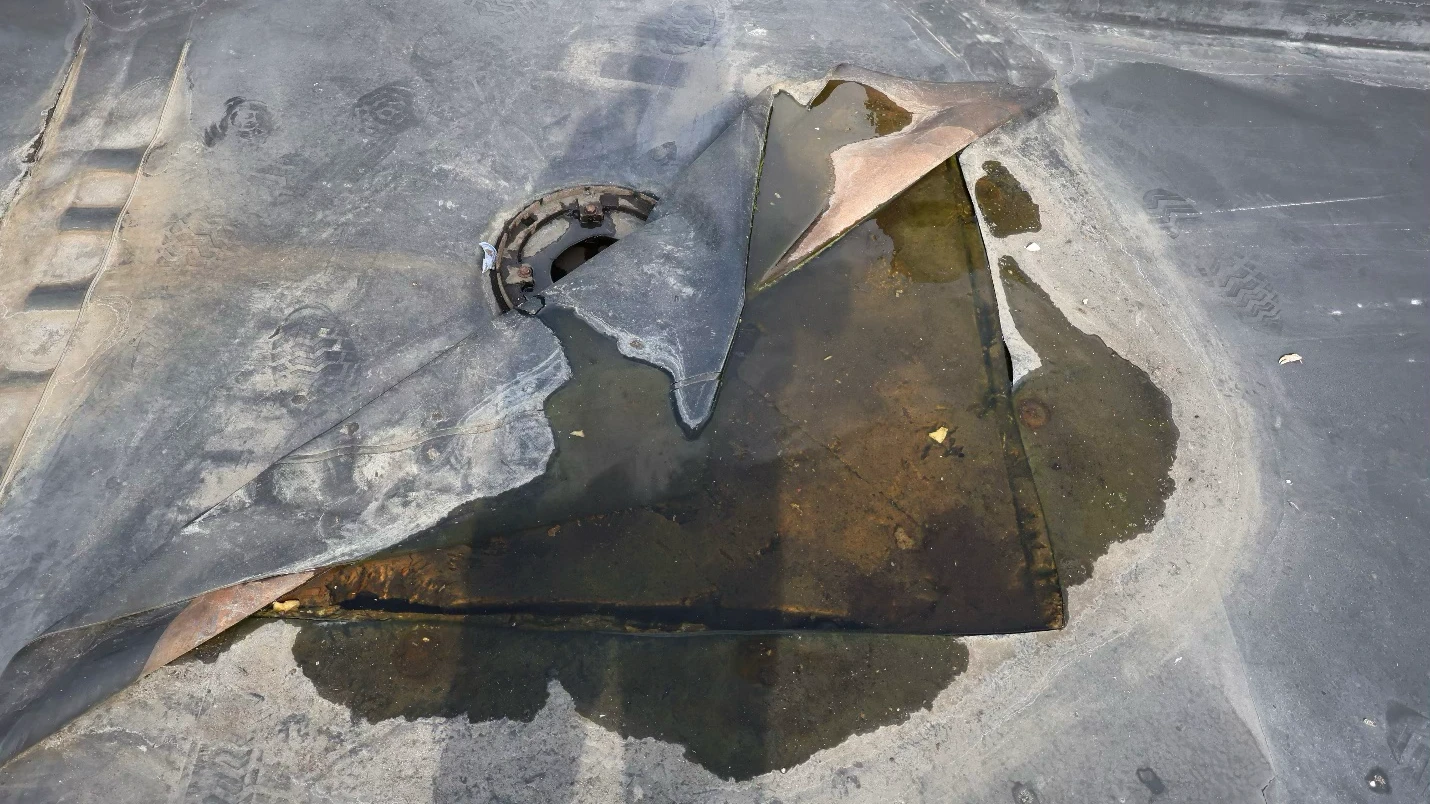
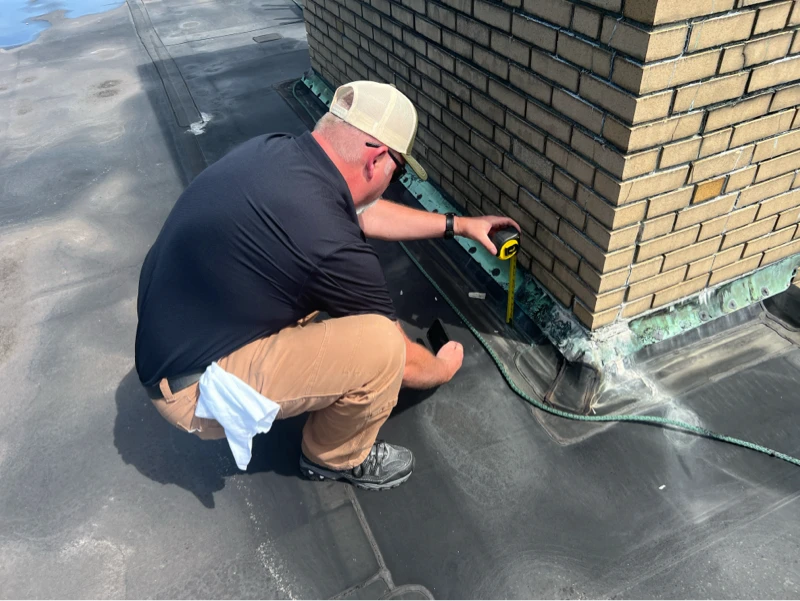
Greenwood Industries employee inspecting a roof

The most common mistake is not having regular roof inspections. Many building owners assume that because a roof has a warranty, there is nothing to worry about. That false sense of security often leads to issues being overlooked until they become emergencies.

“The first thing I hear is, ‘I have a warranty, so I don’t need to worry about it.’ But most warranties require regular inspections,” Mark explains. “If you don’t have that documentation, you can void the warranty entirely.” 

Small conditions like open seams, membrane blisters, deteriorated flashings, or minor punctures are usually visible long before water enters a building. When a problem appears minor, it rarely stays that way. Water spreads, damage compounds, and repair costs escalate quietly but quickly.

Typical roof inspections cost between $1,000 and $1,500, while emergency repairs often start around $3,500 and can go significantly higher depending on timing, location, and severity.

“There’s a big difference between spending $1,000 to $1,500 on an inspection and catching issues early versus getting a call at night or on a weekend and starting at $3,500,” he notes. “At that point, you’re already behind.” 

Emergency work frequently occurs nights or weekends, when service rates are typically 25 to 50 percent higher than scheduled repairs.

Staying on top of annual inspections and addressing repairs as they arise helps keep roofs performing as intended and can extend service life by as much as five years.

To support proactive planning, Greenwood offers Greenwood Performance Advantage (GPA) Programs, including GPA 2.0, 3.0, and 4.0. These tiered programs allow facility managers to choose the level of service that best fits their needs, from comprehensive inspections and reporting to preventative maintenance, debris removal, perimeter checks, minor repairs, and priority emergency response. Each program is designed to identify and address issues early, before they turn into emergency service calls. 

2. Perimeter and Attachment Failures

High winds and severe weather often trigger emergency calls, but the root cause is usually improper attachment. Roof perimeters, edges, and corners experience the highest stress during storms. If membranes or insulation are not properly fastened or adhered, wind can lift materials and create sudden openings.

“A weather event might bring the call in, but it’s usually exposing something that wasn’t installed correctly,” Mark says. “If the membrane or insulation isn’t properly fastened, that’s when you see it lift and fail.” 

These vulnerabilities are typically identified during inspections and corrected ahead of storm season, when repairs are safer, less disruptive, and more cost effective.

 3. Damage from Rooftop Activity

While rooftop penetrations do occasionally cause issues, most emergency service calls are not the result of a single event. More often, damage comes from routine rooftop activity that goes unnoticed.

“It’s not usually one big event,” Mark notes. “Most of the time it’s something that was overlooked or never seen.” 

Snow removal is a frequent contributor. Shovels and snow equipment can cut or slice roofing membranes, especially when snow and ice conceal surface conditions.

“Very often they make cuts and slices shoveling the roof,” he adds. 

HVAC work and other service trades can also unintentionally damage roofing systems, whether through dropped tools, improper staging, or general wear from repeated access.

Seasonal inspections play an important role here. A fall inspection helps prepare roofs for winter and storm conditions, while a spring inspection identifies damage from snow removal and winter exposure before it develops into active leaks.

The Cost of Waiting

Emergency roof repairs often happen at the worst possible times and in sensitive areas such as patient spaces or fully occupied facilities. These situations increase complexity, limit repair options, and drive costs higher.

In contrast, planned inspections and preventative maintenance help control costs, reduce risk, and minimize operational disruption.

In fact, the majority of emergency calls could have been avoided altogether.

“I’d say 75% of the time, these are issues that could have been caught earlier,” Mark says. “If they had been inspected or taken care of, the chances of needing emergency repairs drop significantly.” 

Bottom Line

Most emergency roof service calls stem from visible, preventable conditions. Regular inspections and proactive maintenance remain the most effective way to reduce emergency repairs and protect building performance year-round.

If you are seeing any of these conditions or want to get ahead of them, connect with our team.

https://greenwoodindustries.com/wp-content/uploads/2026/05/mark-malcarne-headshot.webp 321 845 HM WP https://greenwoodindustries.com/wp-content/uploads/2025/06/greenwood-logo.webp HM WP2026-05-18 11:17:072026-06-03 15:29:403 Common Issues That Lead to Emergency Roof Service Calls

Industrial vs Commercial Roofing

May 15, 2026

When evaluating a roofing system for a building, it’s important to understand whether your property falls into the commercial roofing or industrial roofing category. While the two are often grouped together, each presents unique challenges, performance requirements, and maintenance demands.

Choosing the right roofing system depends on factors such as building use, environmental exposure, occupancy, and operational needs. Understanding these differences can help facilities managers and property owners make informed decisions that best fit their building and their budget.

What is Commercial Roofing?

Commercial roofing typically serves buildings where people work, shop, learn, or receive services.

Common commercial building types include:

  • Office buildings
  • Retail centers
  • Healthcare facilities
  •  Educational institutions
  •  Multi-tenant properties

In these environments, roofing systems are designed to support more than weather protection. Key priorities often include:

  • Energy efficiency
  • Occupant comfort
  • Building appearance
  • Long-term performance

Commercial roofs are commonly low-slope systems that accommodate HVAC equipment, drainage systems, and regular maintenance access. Many owners prioritize roofing solutions that help reduce energy costs while maintaining a professional appearance.

What is Industrial Roofing?

Industrial roofing is designed for facilities that support manufacturing, production, storage, and logistics operations.

Typical industrial buildings include:

  • Manufacturing plants
  • Warehouses
  • Distribution centers
  • Processing facilities
  • Industrial campuses

Unlike commercial properties, industrial facilities place greater demands on roofing systems due to operational conditions.

Industrial roofing priorities often include:

  • Enhanced durability
  • Higher load-bearing capacity
  • Resistance to chemicals, grease, or heat exposure
  • Accommodation of large rooftop equipment

These facilities frequently feature expansive roof areas, numerous penetrations, exhaust systems, mechanical equipment, and specialized ventilation requirements. As a result, industrial roofing systems must be engineered to withstand harsher operating environments while minimizing disruptions to production.

Key Differences Between Industrial and Commercial Roofing

Building Use & Operational Demands

The primary difference between commercial and industrial roofing is how the building functions.

Commercial buildings generally experience moderate rooftop traffic from maintenance personnel servicing HVAC equipment. Industrial facilities often have significantly higher rooftop activity due to:

  • Exhaust systems
  • Manufacturing ventilation equipment
  • Process piping
  • Heavy mechanical units

These operational demands can increase wear and tear, making roof durability a critical consideration.

Roof Size & Structural Load

Industrial buildings are often larger than standard commercial properties and may support significant rooftop equipment loads.

Industrial roofs commonly require consideration for:

  • Larger structural spans
  • Heavier mechanical systems
  •  Additional support requirements
  • Future equipment installations

Commercial buildings may also contain rooftop equipment, but structural demands are often less intensive than those found in industrial environments.

Roofing Systems & Materials

While there is overlap between roofing systems used on commercial and industrial buildings, system selection is typically influenced by building operations and environmental conditions.

Commercial roofs often prioritize:

  • Energy performance
  • Cost efficiency
  • Ease of maintenance

Industrial roofs frequently prioritize:

  • Chemical resistance
  • Heat resistance
  • Enhanced puncture resistance
  • Long-term durability

Selecting the right roofing material requires evaluating both present and future operational concerns.

Maintenance & Access Requirements

Maintenance requirements vary significantly between commercial and industrial facilities.

Commercial roofing maintenance often focuses on:

  • Routine inspections
  • Drainage performance
  • Sealant integrity
  • Preventative repairs

Industrial facilities typically require more frequent inspections due to higher equipment density, rooftop traffic, and environmental exposure. Failure to address roofing issues promptly can lead to costly operational disruptions.

Common Roofing Systems Used in Commercial & Industrial Buildings

Several roofing systems perform well across both commercial and industrial applications.

Single-Ply Membranes

Single-ply roofing remains among the most popular choices for commercial roofing and industrial roofing projects.

Common options include:

  • TPO Roofing: Energy-efficient and highly reflective.
  • PVC Roofing: Excellent resistance to chemicals and grease exposure.
  • EPDM Roofing: Durable and proven in a wide range of climates.

Metal Roofing Systems

Metal roofing systems provide exceptional longevity and durability. They are often selected for industrial facilities, warehouses, and commercial buildings seeking a low-maintenance roofing solution.

Benefits include:

  • Long service life
  • Superior weather resistance
  • Energy efficiency
  • High strength-to-weight ratio

Modified Bitumen & Built-Up Roofing

Modified bitumen and built-up roofing (BUR) systems continue to be reliable options for low-slope commercial and industrial buildings.

Advantages include:

  • Multi-layer protection
  • Strong waterproofing performance
  • Proven durability
  • Ease of repair

Maintenance Considerations for Industrial vs. Commercial Roofs

Regardless of facility type, proactive maintenance is one of the most effective ways to maximize lifespan.

Important maintenance strategies include:

  • Scheduled roof inspections
  •  Preventative maintenance programs
  •  Prompt leak repairs
  •  Drainage system cleaning
  • Flashing and sealant inspections

For industrial facilities, maintenance carries additional importance because roof failures can impact operations, production schedules, and employee safety.

Property owners should also consider:

  • OSHA safety requirements
  •  Access and fall-protection needs
  •  Regulatory compliance considerations
  •  Equipment-related wear patterns

A comprehensive maintenance program can help reduce emergency repairs while extending the life of your roofing system.

How to Choose the Right Roofing System

The best roofing solution depends on your building’s specific requirements. Key factors to consider include:

Building Function & Usage

A warehouse, manufacturing plant, office building, and healthcare campus each present different roofing demands.

Environmental Exposure

Exposure to chemicals, heat, heavy equipment, coastal conditions, or severe weather can significantly influence roofing system selection.

Budget & Lifecycle Cost

The lowest upfront cost is not always the lowest long-term. Evaluating expected service life, maintenance requirements, and energy performance can provide a more accurate look at the overall value.

Long-term Maintenance Strategy

A roofing system should align with your organization’s ability to perform or outsource routine inspections and ongoing maintenance.

Work With an Experienced Roofing Partner

An experienced commercial roofing contractor can evaluate your facility’s operational demands and recommend the most effective solution for your needs.

Whether you’re managing a commercial office complex, healthcare facility, manufacturing plant, or distribution center, Greenwood Industries provides comprehensive roofing expertise backed by decades of experience.

Explore our commercial roofing capabilities, learn more about what we do, review our past projects, or discover our full range of services.

Contact Greenwood Industries

Not sure whether your facility requires a commercial or industrial roofing solution? The experts at Greenwood Industries can help evaluate your building, identify the right roofing solution, and develop a maintenance strategy designed for long-term performance.

Contact Greenwood Industries today to discuss your next commercial roofing or industrial roofing project.

https://greenwoodindustries.com/wp-content/uploads/2025/06/greenwood-logo.webp 0 0 HM WP https://greenwoodindustries.com/wp-content/uploads/2025/06/greenwood-logo.webp HM WP2026-05-15 12:59:532026-10-19 06:46:47Industrial vs Commercial Roofing

Practical Insights for Long-Term Building Performance

April 17, 2026

Ethan Mania

How Roof Maintenance Decisions Impact Long Term Performance and Cost

How a roof is maintained over time ultimately determines how it performs and how long it lasts. Whether a roof reaches or exceeds its projected service life often depends less on installation and more on the maintenance decisions made over time.

As Greenwood Industries’ Account Manager Ethan Mania explains, “Roof systems are a long-term capital asset designed to perform for decades, but only when informed by timely maintenance decisions.”

Based on experience across commercial facilities, roof systems rarely fail suddenly. Instead, they deteriorate progressively, with small issues expanding when maintenance is delayed or deferred.

“The difference between a roof reaching its projected lifetime or failing prematurely comes down to the maintenance you put into it,” Ethan says.

At Greenwood Industries, our Account Managers serve as building envelope advisors, helping clients understand risk, plan maintenance, and protect their facilities long term. Ethan works with facility managers and property owners throughout the Northeast, helping them evaluate roofing conditions and plan maintenance strategies. Here, he breaks down how maintenance decisions directly impact long-term performance, service life, and total cost of ownership.

The Maintenance Decision That Most Often Leads to Premature Failure of a Roof System

One of the most damaging maintenance decisions is delaying repairs to minor infiltration or flashing deficiencies. Small breaches at penetrations, seams, terminations, or wall transitions are often viewed as minor concerns, but they rarely remain isolated.

“The single most damaging decision we see is delaying minor infiltration or flashing repairs,” Ethan explains. “Small breaches rarely stay small without proper maintenance.”

Once moisture enters a roof assembly, damage begins to spread. Insulation loses thermal performance, decking can deteriorate, membranes break down more rapidly, and structural components may begin to corrode.

“Water intrusion is progressive,” he notes. “Once moisture enters the system, it compromises insulation, deteriorates the deck, accelerates membrane breakdown, and can corrode structural components.”

By the time an interior leak becomes visible, moisture has often already expanded well beyond the original entry point.

“When a leak becomes visible, the damage has already expanded significantly within the roof assembly,” Ethan adds.

What begins as a minor flashing repair can escalate into widespread system damage if corrective action is delayed.

 Proactive Roof Maintenance vs Reactive Repairs

From a service perspective, proactive maintenance fundamentally changes how roof systems are managed. Reactive repairs typically address symptoms after damage has progressed, such as interior leaks, wet insulation, or membrane failures. 

“Reactive repairs address symptoms after damage has already progressed,” Ethan says. “They’re more invasive, more expensive, and more disruptive to operations.”

Roof Top View

A proactive maintenance approach focuses on:

  • Identifying vulnerabilities before failure occurs 
  • Preserving manufacturer warranty compliance 
  • Extending service life beyond original projections 
  • Reducing emergency service calls and operational disruption 
  • Allowing predictable budgeting rather than unplanned capital expenses 

“It shifts roof management from crisis response to asset protection,” Ethan explains.

From a lifecycle cost standpoint, structured preventative maintenance programs consistently cost a fraction of premature roof replacement.

“Extending a roof system even a few years can create significant deferred capital savings and improve return on the original investment,” Ethan adds.


Early Warning Signs Facility Managers Should Watch For

Facility managers should monitor both exterior and interior indicators of early roof system stress. Common warning signs include:

  • Ponding water remaining more than 48 hours after rainfall 
  • Open seams, failed flashing, or deteriorated sealants 
  • Membrane blistering, shrinkage, or surface cracking 
  • Clogged or damaged drainage systems 
  • Rusting metal components or fasteners backing out 
  • Interior ceiling stains or recurring leaks in the same area 
  • Increasing frequency of minor service calls 

“These indicators rarely resolve on their own,” Ethan emphasizes. “Routine inspections allow targeted, lower-cost corrective measures before insulation saturation, deck deterioration, or structural impact occurs.”

Roof Maintenance Determines the Outcome

Long-term roof performance is defined by how deterioration is managed over time.

“Maintenance decisions determine whether deterioration is slow and controlled or accelerated and costly,” Ethan reinforces.

Consistent inspections and timely corrective work allow roofs to perform as intended while protecting long term building value.

If you are evaluating your roof system or planning ahead for maintenance, connect with Greenwood Industries to speak with one of our account managers and discuss a proactive approach to long-term performance.

https://greenwoodindustries.com/wp-content/uploads/2025/06/greenwood-logo.webp 0 0 HM WP https://greenwoodindustries.com/wp-content/uploads/2025/06/greenwood-logo.webp HM WP2026-04-17 11:08:142026-04-17 11:13:12Practical Insights for Long-Term Building Performance

Designing for climate resilience: preparing roof systems for heat, storms and extremes

April 17, 2026

Ragon view from above

Why resilient roofing is becoming a design requirement

Extreme weather is no longer an occasional stressor for buildings in the Northeast. It is a consistent condition that directly impacts roof performance.

According to the National Oceanic and Atmospheric Administration, the region has experienced a more than 70% increase in the amount of precipitation falling during the heaviest events since the mid-20th century, the largest increase of any region in the United States.

In Boston, annual precipitation has increased by approximately 6 to 8 inches over the past century, with a greater share coming from high-intensity storms. New York City has also seen a rise in extreme rainfall events, contributing to more frequent drainage overload and localized flooding.

At the same time, data from the Intergovernmental Panel on Climate Change shows that heat waves are occurring more frequently and lasting longer, increasing thermal stress on roofing materials and accelerating system wear.

These conditions directly affect how roof systems perform. In many cases, assemblies are exposed to more water, more heat, and more stress than they were originally designed to manage.

For commercial buildings, the roof is the first line of defense. Roof systems are now expected to manage more water, more heat, and more frequent storm events than most were originally designed for.

How climate stress impacts roof systems

Roof systems are exposed to a combination of stressors that are becoming more pronounced:

  • Heat accelerates membrane aging, expansion, and material fatigue 
  • Heavy rainfall increases the risk of ponding and water intrusion 
  • Wind and storm events place additional stress on attachments, edges, and flashing 
  • Freeze-thaw cycles continue to impact assemblies in colder climates 

These conditions rarely act independently. In many cases, they compound, placing additional strain on materials and detailing.

Without proper design and maintenance, even well-installed systems can begin to break down under repeated exposure.

Selecting the right roof system for performance & extreme weather

Different roof systems respond differently to environmental stress. Selecting the right system plays a key role in long-term resilience.

Based on systems used across the industry and outlined by Greenwood Industries:

  • EPDM roofing systems
    Known for flexibility and durability, EPDM performs well under temperature fluctuations and UV exposure, making it a strong option for long-term performance in variable climates. 
  • TPO and PVC systems
    These reflective membranes help reduce heat absorption, improving energy efficiency and reducing thermal stress on the building. They are often used where heat mitigation is a priority. 
  • Built-up roofing (BUR) and modified bitumen
    Multi-layer systems provide redundancy and durability, particularly in high-traffic or high-exposure environments. 
  • Metal roofing systems
    Highly durable and resistant to weather exposure, metal systems perform well in high-wind conditions and can be designed for long service life with proper detailing. 
  • Vegetative (green) roof systems

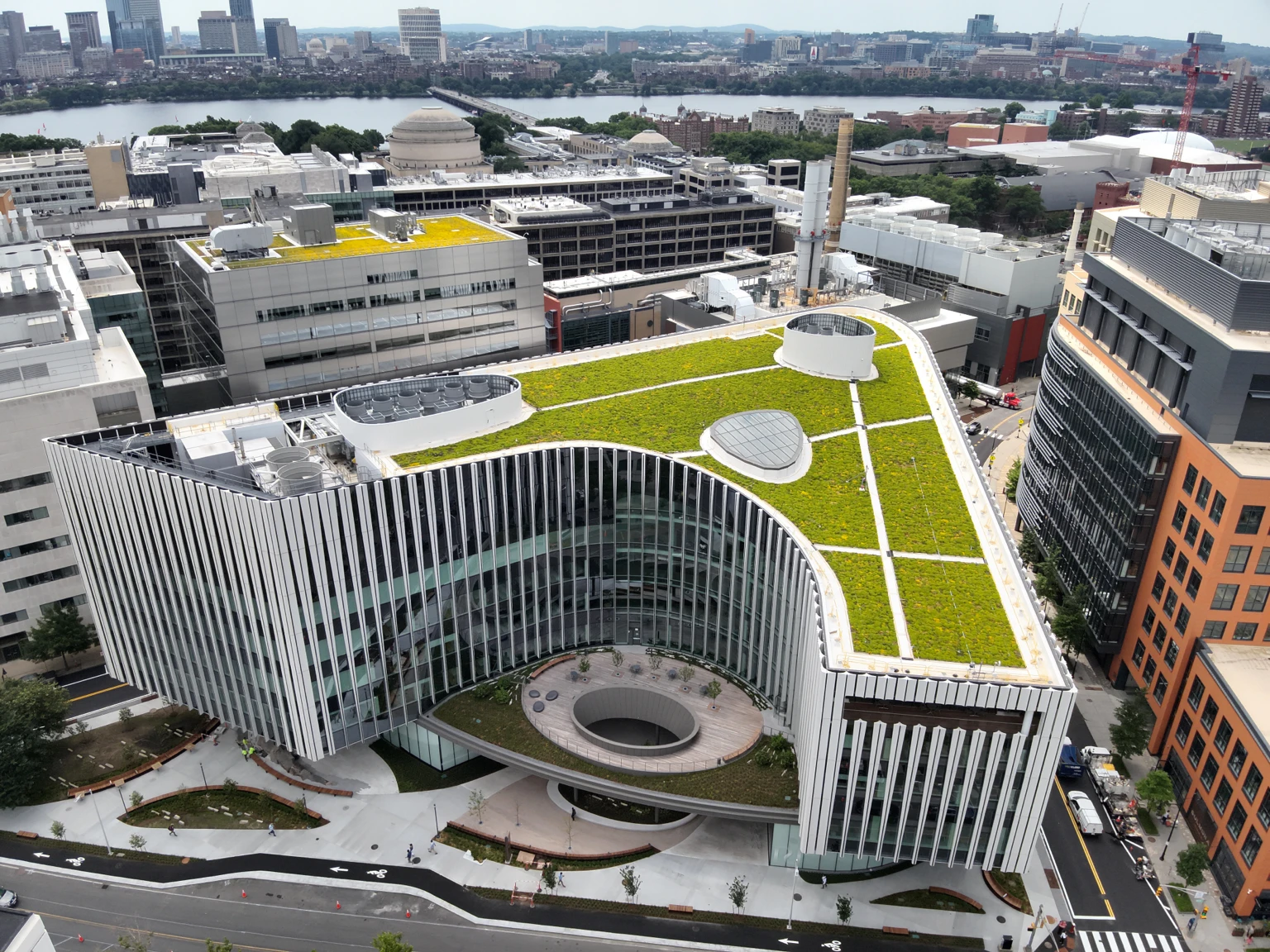
Layered assemblies that incorporate waterproofing, drainage, and vegetation, green roofs help manage stormwater and reduce roof surface temperatures, supporting both system protection and environmental performance.

  • Solar (photovoltaic) roof systems

Solar systems integrate energy generation with roofing assemblies, requiring coordinated design to maintain waterproofing integrity while potentially reducing surface temperatures through panel shading.

Each roofing system has advantages, but performance ultimately depends on how it is designed, installed, and maintained as part of the full building envelope.

The importance of detailing and system integration

Resilience is not determined by membrane selection alone. Failures often occur at transitions and details:

  • Roof-to-wall intersections 
  • Penetrations and mechanical curbs 
  • Drainage and slope conditions 
  • Edge metal and attachment points 

As weather becomes more extreme, these areas are subjected to greater stress. Proper detailing and coordination across trades are critical to ensuring continuity and performance.

Roof maintenance as a resilience strategy

Even the most robust roof systems require ongoing maintenance to perform as intended.

As conditions become more demanding, the role of maintenance becomes more important. Small issues, such as minor membrane damage, clogged drainage, or failing sealants, can escalate quickly under extreme weather conditions.

Through Greenwood Performance Advantage (GPA) Packages, facility teams can take a proactive approach to:

  • Routine inspections 
  • Preventative maintenance 
  • Early identification of vulnerabilities 
  • Prioritized repair planning 

This approach helps extend system life, reduce emergency repairs, and improve overall performance in changing conditions.

Planning ahead for seasonal exposure

Late spring and early summer are key windows for evaluating roof performance.

Winter conditions may have introduced damage, while upcoming summer heat and storm activity will place additional demands on the system. Addressing issues now allows facility teams to:

  • Prepare for peak weather conditions 
  • Avoid mid-season failures 
  • Coordinate repairs before schedules tighten 

Closing thoughts

As summer approaches, roof systems will face increased heat, UV exposure, and the potential for severe storm activity.

Designing for climate resilience is not about predicting specific events. It is about preparing for a wider range of conditions than buildings have historically experienced.
By selecting appropriate roof systems, focusing on critical details, and prioritizing maintenance, facility teams can improve performance, extend service life, and reduce long-term risk.

If your roof system has not been evaluated recently, now is the time to assess how it will perform under the conditions ahead.

For support in planning a new project or establishing a proactive maintenance program, contact the Greenwood Industries team to discuss your building’s needs.

https://greenwoodindustries.com/wp-content/uploads/2025/06/greenwood-logo.webp 0 0 HM WP https://greenwoodindustries.com/wp-content/uploads/2025/06/greenwood-logo.webp HM WP2026-04-17 11:01:132026-04-17 11:05:49Designing for climate resilience: preparing roof systems for heat, storms and extremes

Best Types of Metal Roofing Systems for Commercial Buildings

April 15, 2026

Metal roofing has become one of the most reliable and cost-effective roofing solutions for commercial and industrial buildings. These systems deliver exceptional durability and weather resistance, making them a valuable long-term option for warehouses, manufacturing facilities, schools, and more.

Unlike many traditional roofing materials, commercial metal roofing systems are designed to withstand harsh environmental conditions while requiring minimal maintenance over their serviceable life. They also offer significant design flexibility, allowing building owners and architects to tailor their aesthetic goals to meet their performance needs.

In the guide below, we’ll explore the best types of metal roofing for commercial buildings and the factors to consider when selecting the right solution for your property.

Why Metal Roofing is Ideal for Commercial & Industrial Buildings

Commercial property owners continue to choose metal roofing because it offers a combination of performance, longevity, and sustainability that few other roofing types can match.

Key advantages of metal roofing systems include:

  • Long service life with low maintenance requirements
  • Excellent weather resistance and water protection
  • Energy-efficient performance through reflective coatings
  • Sustainable and recyclable options available
  • Compatibility with larger-scale commercial and industrial structures
  • Superior resistance to wind, snow, and extreme temperature fluctuations

When properly designed and installed, a metal roof can provide decades of reliable protection all while reducing maintenance costs and operational headaches.

Standing Seam Metal Roofing Systems

Standing seam metal roofing is widely considered the gold standard for commercial roofing applications and is one of the most commonly installed metal roofing systems by Greenwood Industries.These systems feature vertically oriented panels connected by raised seams, with fasteners protected beneath the panels rather than exposed to the exterior environment.

Benefits of Standing Seam Metal Roofing

  • Concealed fasteners improve resistance to water intrusion
  • Reduced risk of leaks and weather-related wear
  • Accommodates thermal expansion and contraction for changing temperatures
  • Long service life with minimal maintenance
  • Clean, modern architectural appearance

Standing seam systems perform exceptionally well on low-slope commercial roofs and large building areas where long-term weather protection is critical. They are frequently recommended for office buildings, healthcare facilities, schools, and industrial properties looking for maximum durability and long-term return on their investment.

Batten Seam Metal Roofing Systems

Batten seam roofing systems are characterized by the raised seams that create a highly distinctive appearance. While similar in concept to standing seam roofing, batten seam systems emphasize aesthetics while still delivering excellent weather protection.

The raised seam design allows for water to fall from the roof more naturally and enhances the visual appearance of the roof itself, making it a popular choice where aesthetics are a key consideration.

Common Applications for Batten Seam Roofing Systems

  • Universities and educational buildings
  • Government and municipal facilities
  • Cultural and civic institutions
  • Headquarters and other premium commercial developments

For teams seeking a blend of timelessness and long-term performance, batten seam roofing offers a refined solution.

Metal Roofing Shingles

Metal roofing shingles appear as traditional roofing materials, but with the long-lasting qualities of metal architecture. Available in a variety of profiles and finishes, these lightweight and impact-resistant shingles provide aesthetic flexibility for architects and designers, without compromising durability.  

Advantages of Metal Roofing Shingles

  • Lightweight material is less labor-intensive
  • Exceptional impact resistance
  • Long-lasting performance
  • Enhanced weather protection
  • Design flexibility and aesthetic appeal

Although more common on residential projects, metal shingles can be an effective solution for commercial structures, like churches or historical buildings, that are looking to revitalize their property without sacrificing its traditional appearance.

Metal Roofing Tiles

Metal roofing tiles are designed to mimic the look of clay or concrete tile without the excessive weight that comes with those traditional materials.

For commercial properties where aesthetics define the property, metal tile roofing can provide desired architectural character while reducing the burden and wear that can come from traditional concrete or clay.

Key Benefits of Metal Roofing Tiles

  • Premium, highly sought after, aesthetic
  • Significantly lighter than clay or concrete
  • Durable and weather-resistant
  • Reduced structural load requirements
  • Lower long-term maintenance costs

Metal tile systems are commonly used on high-end or historical properties such as hotels or religious buildings.

Through-Fastened Metal Roofing Systems

Through-fastened systems, sometimes referred to as exposed-fastener metal roofs, are among the most economical commercial roofing options available. In these systems, fasteners drill directly through the metal panels and are visible on the roof surface.

Why Building Owners Choose Through-Fastened Systems

  • Lower installation cost
  • Quick installation process
  • Dependable performance for industrial applications
  • Cost-effective for large-scale facilities

These systems are commonly found on:

  • Warehouses
  •  Manufacturing plants
  •  Distribution centers
  • Agricultural buildings
  • Equipment storage facilities

While through-fastened roofing offers excellent value, exposed fasteners generally require more frequent inspections and maintenance over time compared to concealed-fastener systems.

Curved & Tapered Metal Roofing Systems

As technology evolves and architects continue to innovate, modern construction projects are increasingly incorporating unique roof shapes that cannot be achieved with standard roofing materials. Curved and tapered metal roofing systems provide architects with virtually unlimited design possibilities all with the long-lasting durability and performance of metal construction.

These roofs are custom-made to accommodate complex geometries, transitions, and structural needs.

Ideal Applications for Curved & Tapered Roofs

  • Stadiums and areas
  • Convention centers
  • Transportation hubs
  •  Airports

Beyond their visual appeal, curved and tapered systems can help improve water management and structural performance.

How to Choose the Right Metal Roofing System

Selecting the best metal roofing system requires evaluating and balancing three key factors:

  • Performance objectives
  • Budget considerations
  • Design requirements

Consider the following details when selecting your next commercial roofing system:

Building Use and Occupancy

Different building types have unique performance requirements. For example, a healthcare facility will require different structural requirements and roofing solutions.

Roof Slope Geometry

Roof design significantly influences which metal roof type will perform best. Low-slope roofs often benefit from standing seam systems, while complex structures may require curved or specialty solutions.

Budget and Lifecycle Costs

Looking beyond initial installation costs is key. Higher-performing roofs may deliver lower overall costs through reduced maintenance and a longer service life.

Aesthetic Requirements

Some projects prioritize visual appeal. Batten seam, metal tile, and curved systems can support specific design goals while still ensuring quality material and coverage.

Maintenance Expectations

Building owners should consider long-term maintenance requirements when comparing roofing systems. Concealed-fastener roofs generally have lower maintenance demands than their exposed-fastener alternatives.

Work with a Commercial Metal Roofing Expert

An experienced commercial roofing contractor can evaluate your facility’s goals, structural needs, and budget to recommend the most effective solution.

Partner with Greenwood Industries for Commercial Metal Roofing Solutions

Choosing the right metal roofing system is a critical step in ensuring the long-term performance and value of your property. Whether you’re planning a new construction project or replacing an aging roof, Greenwood Industries provides the expertise needed to ensure lasting results.

Our team designs, installs, and services all types of metal roofing systems tailored to each building’s unique needs. Contact Greenwood Industries to discuss your next metal roofing project.

https://greenwoodindustries.com/wp-content/uploads/2025/06/greenwood-logo.webp 0 0 HM WP https://greenwoodindustries.com/wp-content/uploads/2025/06/greenwood-logo.webp HM WP2026-04-15 07:09:492026-10-15 09:53:19Best Types of Metal Roofing Systems for Commercial Buildings

Staying Aligned with Building Code Regulations: What the OSHA Ladder Rule Means for Your Facility

March 26, 2026

Why OSHA Ladder Regulations Are Changing

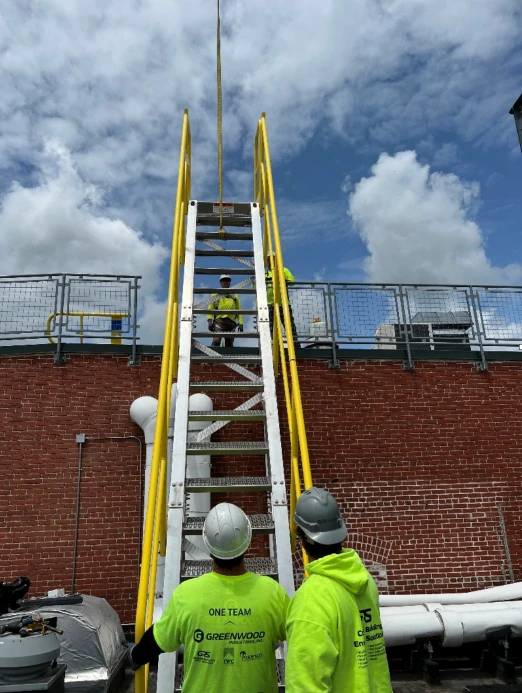
Building code compliance is constantly evolving as safety, materials, and construction practices improve. A recent update affecting commercial and industrial facilities is OSHA’s walking-working surfaces rule, which changes how fixed ladders over 24 feet must be designed and maintained.

For years, ladder cages were considered standard protection. Now, that approach is being phased out in favor of ladder safety systems and personal fall arrest systems, which provide more reliable protection in the event of a fall.

For facility managers, this is more than a regulatory update. It directly impacts how buildings are accessed, maintained, and upgraded over time.

OSHA Ladder SafetyWhat are the OSHA Ladder Rule Requirements? 
Under OSHA’s updated ladder safety standards, which reflect recent regulatory changes:

  • Fixed ladders over 24 feet must be equipped with a ladder safety system or personal fall arrest system 
  • Ladder cages are no longer considered compliant fall protection for new ladders installed after November 19, 2018 
  • Existing ladders with cages must be upgraded by November 18, 2036 

There is an important detail that often gets overlooked. If any portion of an existing ladder is replaced, that section must meet current code requirements.

This means compliance is not just tied to a future deadline. It can be triggered during routine repairs, renovations, or adjacent work such as roofing or façade projects.

How This Impacts Existing Buildings

Many facilities still rely on ladder systems installed years or decades ago. While these systems may appear functional, they may not meet current standards.

A common scenario involves a ladder with a cage that was compliant when installed. Over time, sections may need repair due to wear, corrosion, or changes to surrounding systems. Once those repairs begin, updated requirements can apply.

What starts as a maintenance item can quickly become a larger upgrade.

Without proper planning, this can lead to:

  • Project delays due to code compliance issues 
  • Unexpected scope increases 
  • Safety risks if systems are not properly evaluated 

Understanding when and how these requirements apply is critical to avoiding disruption.

Coordinating Compliance with Building Envelope Work

Ladder systems are rarely isolated from other building components. They are often tied directly to roof access, mechanical equipment, and façade maintenance.

For this reason, ladder compliance is best evaluated as part of a broader building envelope strategy.

At Greenwood Industries, this means looking at:

  • How access systems integrate with roofing assemblies 
  • Whether planned repairs or replacements will trigger compliance updates 
  • How to coordinate fall protection systems with existing conditions 
  • The sequencing of work across trades to avoid conflicts or rework 

This approach allows facility teams to address compliance proactively, rather than reacting to it mid-project.

When to Evaluate Your Ladder Systems

If you are responsible for building maintenance or capital planning, it may be time to take a closer look at your ladder systems if:

  • Fixed ladders exceed 24 feet in height 
  • Existing systems rely on cages for fall protection 
  • Repairs or modifications are being planned 
  • Roofing, façade, or mechanical work is scheduled 
  • Access or safety concerns have been raised by staff or contractors 

In many cases, these conditions indicate that a more detailed evaluation is needed to determine current compliance requirements.

Planning Ahead for Ladder Rule Compliance

OSHA’s ladder rule reflects a broader shift toward safety systems that are not only compliant, but effective in real-world conditions.

For facility teams, staying aligned with these changes requires forward planning. Addressing ladder systems as part of larger projects, rather than in isolation, can help reduce costs, improve safety, and avoid last-minute scope changes.

By understanding how regulatory updates apply to your building and coordinating them with ongoing work, you can maintain compliance while supporting long-term performance across the entire building envelope.

Need help navigating OSHA compliance updates? Our team can evaluate your facility and recommend the right path forward. Reach out today. 

https://greenwoodindustries.com/wp-content/uploads/2025/06/greenwood-logo.webp 0 0 HM WP https://greenwoodindustries.com/wp-content/uploads/2025/06/greenwood-logo.webp HM WP2026-03-26 12:00:042026-03-26 12:05:45Staying Aligned with Building Code Regulations: What the OSHA Ladder Rule Means for Your Facility

4 Signs It’s Time for a Full Roof Inspection

March 9, 2026

When’s the best time for a full roof inspection? Before you need one.

Preventative maintenance remains the best practice for protecting a facility and extending the life of a roof system. But in reality, many facility managers are not starting with a new building or a roof in ideal condition. Most are managing systems that have aged over time, experienced repairs, or carry deferred maintenance, making it difficult to begin from a preventative maintenance baseline.

From experience, Greenwood Industries’ Account Managers know that full inspections are often scheduled only after an obvious problem appears. The goal is to recognize earlier warning signs, the “yellow flags,” that indicate a roof and building envelope would benefit from a comprehensive evaluation before conditions escalate into emergencies.

As Account Manager Nick Andreozzi explains, “From the customer’s point of view, the risk of waiting always seems small at first. But moisture spreads very easily, and what starts as a minor issue can turn into a much larger structural situation if it’s ignored.”

At Greenwood Industries, our Account Managers serve as building envelope advisors, helping clients understand risk, plan maintenance, and protect their facilities long term. Nick works with facility managers and property owners throughout the Northeast, helping them evaluate roofing conditions, plan maintenance strategies, and prevent costly emergency repairs. Here, Nick outlines several key conditions to look for that may indicate your facility would benefit from a full roof inspection.

4 Signs Inspection Time

When to Schedule a Commercial Roof Inspection

1. Visible Membrane and Attachment Issues

One of the first indicators that a roof needs more than a quick check is visible movement or separation within the roofing system. Delamination, loose membrane edges, or areas where the scrim becomes visible can signal improper attachment or aging materials.

“When you’re walking a commercial roof and you can actually see the scrim, or the EPDM membrane looks loose or lifting, that’s a red flag,” Nick says. “It usually means the membrane wasn’t properly adhered, seamed, or mechanically attached during installation.”

When membranes are not properly secured, wind and weather can worsen the condition quickly. What begins as a localized issue can expand into larger areas of failure, increasing the likelihood of leaks and system damage. A full inspection allows professionals to evaluate attachment integrity and identify areas where repairs can stabilize the system before further deterioration occurs.

2. Ponding Water and Drainage Concerns

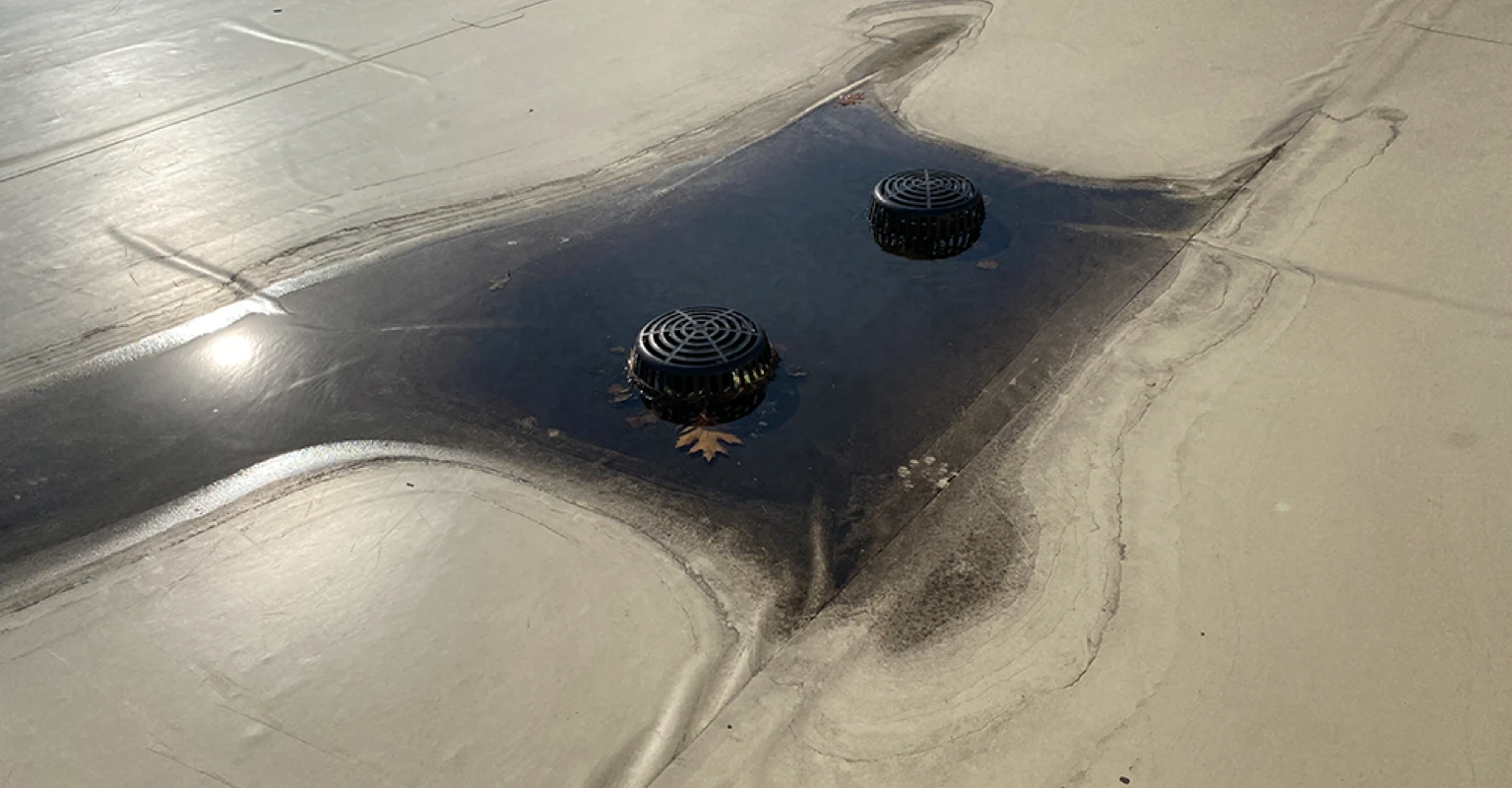
Standing water is one of the most consistent warning signs seen during inspections. Ponding water often indicates drainage problems, structural deflection, or saturated insulation beneath the membrane.

“From a contractor’s standpoint, ponding water is a big one,” Nick notes. “It usually points to a larger issue, whether that’s poor drainage design, saturated insulation, or a leak that hasn’t shown up inside the building yet.”

Over time, trapped moisture accelerates material breakdown and increases the risk of leaks. Addressing drainage and moisture concerns early helps prevent long-term damage and extends the overall life of the roof system.

Roof Leak

3. Flashing Failures and Roof Penetrations

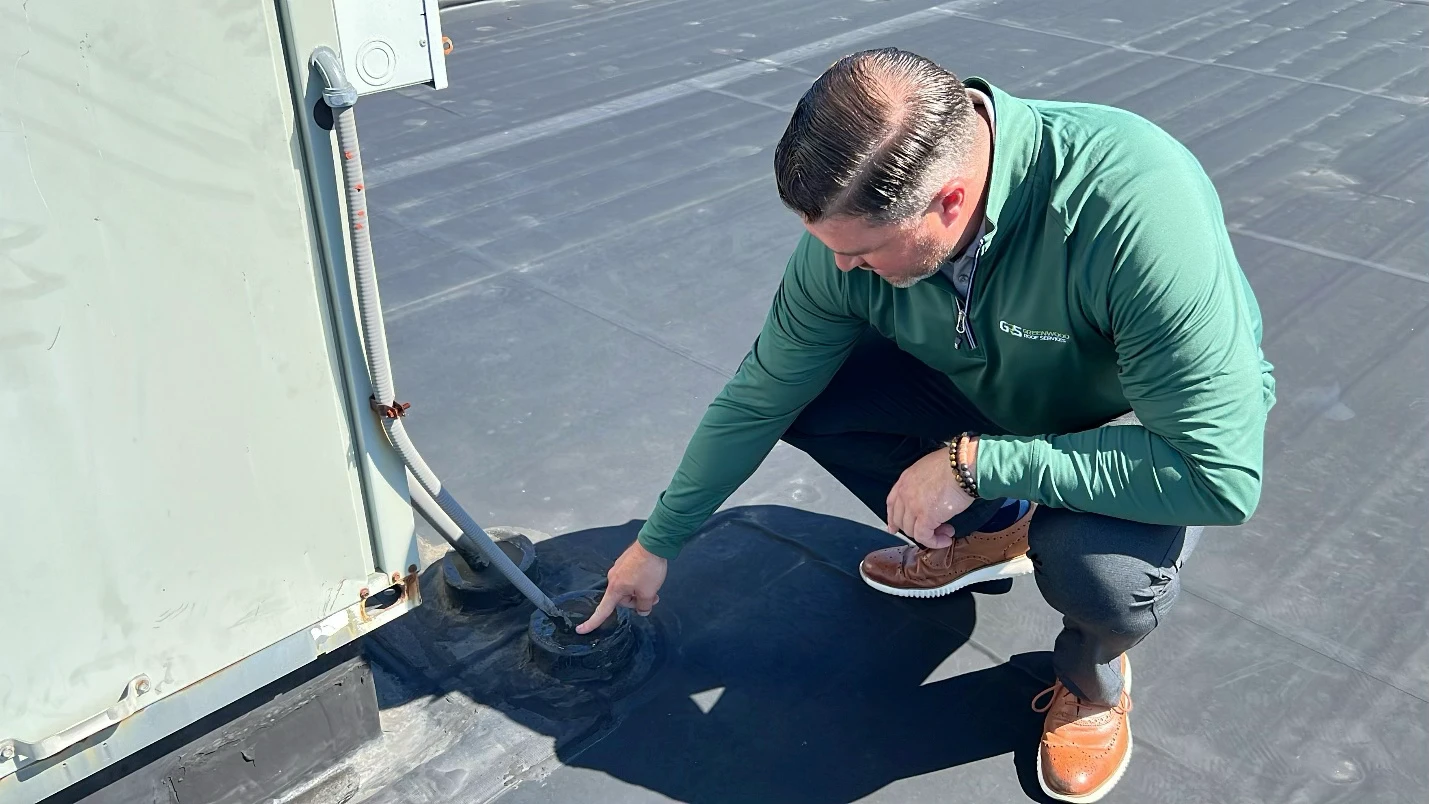
Flashing around pipes, pitch pockets, and rooftop penetrations is another common source of developing problems. Loose pitch pockets, deteriorated sealants, or small tears around penetrations allow water to enter the system gradually.

“If you look at a pipe penetration, it has to be wrapped and sealed correctly,” Nick explains. “A lot of times we see loose pitch pockets, deteriorated sealants, or small tears around penetrations that allow water to enter over time.”

These areas are especially vulnerable because they experience frequent movement and exposure. A comprehensive inspection evaluates both the exterior condition and potential pathways for water intrusion before leaks become active.

4. Interior Warning Signs Often Appear First

While inspections begin on the roof, complaints usually originate inside the building. Stained ceiling tiles, recurring drips, or areas that must be closed due to leaks are often the first signs building occupants notice.

“Active leaks inside the building are usually the number one thing customers notice first,” Nick says. “By the time you’re seeing stains, rotted ceiling tiles, or constant drips, water has already been getting in for a while.”

Moisture follows gravity and can travel far from the original source, making repairs more complex and disruptive if not addressed early. Coordinating exterior inspections with interior observations helps identify root causes rather than treating symptoms.

Roof Repair

When Roof Age Alone Warrants an Inspection

Even without active leaks, roof age is an important factor. Many commercial roofing systems begin moving beyond warranty coverage around the 15 to 20 year mark. At that stage, materials may still appear functional while becoming more vulnerable to failure.

Scheduling inspections as roofs approach this age allows building owners to plan repairs proactively rather than reacting to emergencies that must be funded immediately.

The Risk of Waiting

From a building owner’s perspective, early issues often seem minor. In practice, moisture spreads quickly through insulation and structural components, turning small problems into larger repair scopes over time.

Waiting can lead to operational disruptions, air quality concerns, and in severe cases, the temporary loss of usable building space. Costs also increase as repair areas expand and emergency work becomes necessary.

Most of these situations begin with conditions that were visible and correctable earlier.

Practical Advice from Commercial Roof Experts

“A common mistake we see year after year is delaying known repairs or relying on temporary fixes,” Nick emphasized. “Roofing systems rarely improve on their own, and water intrusion tends to grow quietly before becoming visible.

Consistent inspections and timely repairs help extend the service life of a roof, often by several years, while reducing the likelihood of emergency service calls.”

If you are noticing any of these conditions or want to better understand the current state of your roof system, connect with our team at:
https://greenwoodindustries.com/contact/

https://greenwoodindustries.com/wp-content/uploads/2025/06/greenwood-logo.webp 0 0 HM WP https://greenwoodindustries.com/wp-content/uploads/2025/06/greenwood-logo.webp HM WP2026-03-09 13:49:292026-03-10 09:29:184 Signs It’s Time for a Full Roof Inspection

Greenwood Industries Named Official Waterproofing Company of the New England Patriots and Gillette Stadium

March 6, 2026

WORCESTER, MA (March 9, 2026) — Greenwood Industries is proud to announce its designation as the Official Commercial Roofing Company of the New England Patriots and Gillette Stadium, bringing together two winning organizations that share a relentless commitment to excellence, preparation, and proven results.

Over the past several years, Greenwood has played a key role in major projects at Gillette Stadium, delivering complex roofing solutions at one of the country’s most visible sports venues.

As part of Gillette Stadium’s North End renovation project, completed in 2023 in partnership with Suffolk Construction, Greenwood installed roofing systems on both the North End addition and the stadium’s signature Lighthouse. The project required detailed coordination, technical precision and adherence to an aggressive schedule, all while operating in a live, high-profile sports and entertainment environment.

More recently, Greenwood completed the roofing installation at the new Patriots Training Center, again in collaboration with Suffolk Construction. Opening this spring, the state-of-the-art facility will support year-round team operations and player development and performance with Greenwood’s work ensuring that the building envelope meets the highest commercial standards.

In addition to these large-scale capital projects, Greenwood’s Service Division manages ongoing roofing services at Gillette Stadium, including small roof replacements, preventive maintenance and routine inspections. This work reinforces Greenwood’s commitment to not only build at the highest level, but to also protect and maintain critical facilities over the long term.

“We set the same standard for ourselves as the Patriots do for their organization by preparing thoroughly, executing at the highest level and delivering results that stand up over time,” said David Klein, CEO of Greenwood Industries. “From highly visible renovations to day-to-day service work, our team takes pride in delivering quality, safety and reliability every time we take the field.”

Greenwood Industries is a leading commercial roofing and building envelope contractor throughout the Northeast, serving clients in education, healthcare, corporate, manufacturing and professional sports facilities. This official partnership brings together a world-class franchise and a top-performing contractor, underscoring Greenwood’s ability to perform on the biggest stage while maintaining the responsiveness and service excellence that define the company’s approach.

For more information about Greenwood Industries and its commercial roofing services, visit www.greenwoodindustries.com.

About Greenwood Industries
Greenwood Industries is the Northeast’s leading commercial roofing and custom building envelope provider, with offices in Massachusetts, New York, Connecticut, and Rhode Island. For more than 30 years, Greenwood has delivered commercial roofing, architectural metal fabrication, waterproofing, and maintenance services for all exterior building systems. Recognized by Roofing Contractor Magazine as one of the largest commercial roofing companies in the nation, Greenwood has earned numerous awards for craftsmanship. Visit www.greenwoodindustries.com and follow us on LinkedIn, Instagram, Facebook, and Threads for more information.


Greenwood Industries, Inc.
Contact: Ginny Pitcher
Phone: (508) 612-3645
Email: [email protected]

https://greenwoodindustries.com/wp-content/uploads/2025/06/greenwood-logo.webp 0 0 HM WP https://greenwoodindustries.com/wp-content/uploads/2025/06/greenwood-logo.webp HM WP2026-03-06 12:33:502026-03-06 12:33:50Greenwood Industries Named Official Waterproofing Company of the New England Patriots and Gillette Stadium

What’s New in Commercial Roof Coatings Technology?

March 2, 2026

Commercial roof coatings aren’t just a maintenance stopgap. They’ve evolved into systems that extend roof life, improve energy performance, and help facilities make smarter long-term decisions.

For facilities managers and building owners evaluating aging roof systems, spring is often the ideal time to assess restoration options. Next‑generation liquid‑applied coating technologies have evolved to be better than ever before, offering significantly improved durability, flexibility, and measurable performance benefits. After winter stress and before peak summer heat, it’s the best time to determine whether a modern coating system can stabilize roof performance for the year ahead.

From Basic Protection to Engineered Systems

Modern coating systems are built as reinforced, multi-layer assemblies rather than simple surface treatments. Full-fabric reinforced acrylic systems create a seamless layer that integrates with roof details instead of relying on separate flashing pieces. Hybrid systems combine acrylic base layers with high-solids silicone top coats, adding flexibility while improving resistance to ponding water.

These improvements help coatings perform on complex roof layouts, heavy penetrations, and worn surfaces. For buildings with structurally sound roofs, that can mean restoration rather than full replacement.

Improved Durability and UV Performance

One of the most significant advancements in coatings technology is enhanced UV resistance and long-term reflectivity. High-solids silicone formulations and advanced acrylic chemistries maintain color stability and solar reflectance longer, helping reduce heat absorption and surface degradation, as outlined in both GAF’s roof coating systems and Sika’s liquid-applied membrane technologies.

Cold-applied, moisture-cured technologies improve consistency across varying environmental conditions while eliminating open flame from the job site. For facilities operating year-round, this reduces risk while preserving interior conditions and equipment performance.

Designed for Movement and Complex Substrates

Today’s coating systems are compatible with modified bitumen, built-up roofing, EPDM, PVC, TPO, concrete, and metal. When properly evaluated and prepared, they reinforce seams, penetrations, and transitions while sealing surface imperfections.

For campuses and portfolios managing multiple roof types, coatings offer a controlled way to stabilize performance without immediately defaulting to a full tear-off.

Sustainability and Capital Planning Advantages

Coatings technology is also advancing in ways that support sustainability and financial strategy. By restoring rather than removing existing systems, coatings significantly reduce landfill waste and disruption. Reflective surfaces can lower cooling loads, contributing to improved energy performance.

In some cases, coating expenses may qualify as repair or maintenance rather than capital improvements, allowing potential tax advantages compared to full roof replacement. Additionally, energy-efficient upgrades that contribute to measurable reductions in energy use intensity may support eligibility under Section 179D. Each building is different, and financial advisors should always be consulted, but the strategic implications are worth evaluating.

For many facilities, coatings create breathing room. They stabilize performance today while aligning future replacement with long-term budgeting.

Where the Industry Is Heading

The liquid roofing sector continues to expand, driven by innovation in hybrid and elastomeric systems, UV-resistant technologies, and improved waterproofing performance. Demand for reflective cool-roof coatings and water-resistant silicone systems is increasing as owners look for measurable energy impact alongside durability.

Research is pushing even further. An article in Roofing Contractor “Scientists Create Cool Roof Coating That Harvests Water from the Air,” highlights nano-engineered coatings capable of reflecting up to 97% of solar radiation while also capturing atmospheric moisture. That research is now moving toward commercial application, pointing to a future where coatings may contribute to both passive cooling and water efficiency.

As materials advance, execution still matters. Surface preparation, reinforcement detailing, and proper thickness control ultimately determine performance. A coating system is only as good as its evaluation and installation.

Applying Innovation at the Right Time

Roof coatings are most effective when applied under the right conditions and at the right stage of the roof’s lifecycle. When the roof structure remains sound, restoration can extend usable life by 10 to 20 years while avoiding the disruption of a full replacement. And spring is often the best time to evaluate whether your roof qualifies. It allows time for assessment, proper surface preparation, and installation before summer exposure intensifies.

At Greenwood, coatings are not treated as a shortcut. They are evaluated as part of a broader building envelope strategy grounded in condition assessment, compatibility review, and lifecycle planning.

If your roof has weathered the winter but remains structurally sound, now is the right time to assess whether restoration is a viable path forward.

Curious whether roof coatings are the right answer for your building? Reach out to our team to learn more and schedule work before peak season begins.

https://greenwoodindustries.com/wp-content/uploads/2026/03/new-commercial-roof-technology.webp 321 845 HM WP https://greenwoodindustries.com/wp-content/uploads/2025/06/greenwood-logo.webp HM WP2026-03-02 13:28:152026-03-02 13:30:19What’s New in Commercial Roof Coatings Technology?
Page 2 of 512345

Contact Us

Part of our Team

We’re proud to partner with the teams that represent
the communities where we live and work.

Sponsor Logos

Contact Us

Greenwood Industries
640 Lincoln Street
Worcester, MA 01605
888-653-7663
508-865-4040
[email protected]

Locations

Milford, MA
New Bedford, MA
Boston, MA
Ashland, MA
Worcester, MA
Glastonbury, CT
Hudson Falls, NY
New Windsor, NY
Woonsocket, RI

Sitemap

What We Do
GSD
Safety
Projects
Roof Systems
About
Careers
Contact

Greenwood Industries Icon (white)

Copyright © 2026 Greenwood Industries LLC.
All rights reserved. | Privacy Policy.

Scroll to top