3 Common Issues That Lead to Emergency Roof Service Calls
Practical Insights for Long-Term Building Performance
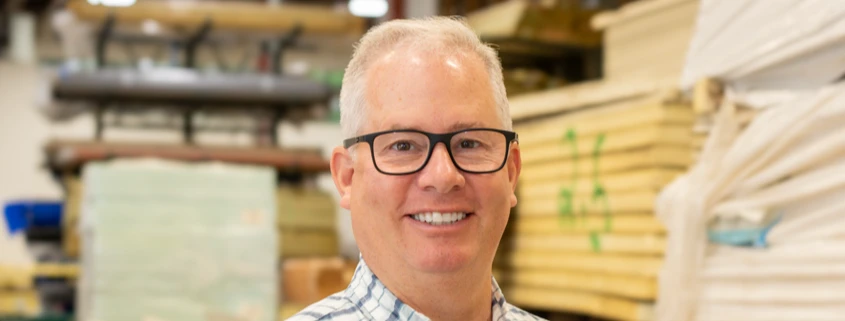
Across commercial facilities, emergency roof service calls are rarely isolated events. They typically stem from recurring and preventable conditions. According to Account Manager Mark Malcarne, these issues are not one-offs, but consistent patterns seen across portfolios.
At Greenwood Industries, our Account Managers serve as building envelope advisors, helping clients understand risk, plan maintenance, and protect their facilities long term. Mark works with facility managers and property owners throughout the Northeast, helping them evaluate roofing conditions, plan maintenance strategies, and prevent costly emergency repairs. Here, he breaks down the three most common issues that lead to emergency service calls and how they can be prevented.
1. Missed or Deferred Inspections
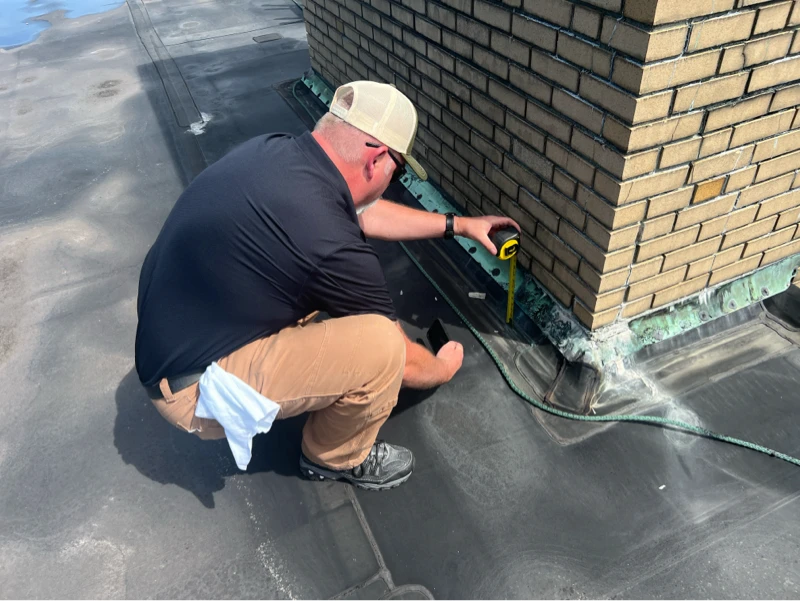
The most common mistake is not having regular roof inspections. Many building owners assume that because a roof has a warranty, there is nothing to worry about. That false sense of security often leads to issues being overlooked until they become emergencies.
“The first thing I hear is, ‘I have a warranty, so I don’t need to worry about it.’ But most warranties require regular inspections,” Mark explains. “If you don’t have that documentation, you can void the warranty entirely.”
Small conditions like open seams, membrane blisters, deteriorated flashings, or minor punctures are usually visible long before water enters a building. When a problem appears minor, it rarely stays that way. Water spreads, damage compounds, and repair costs escalate quietly but quickly.
Typical roof inspections cost between $1,000 and $1,500, while emergency repairs often start around $3,500 and can go significantly higher depending on timing, location, and severity.
“There’s a big difference between spending $1,000 to $1,500 on an inspection and catching issues early versus getting a call at night or on a weekend and starting at $3,500,” he notes. “At that point, you’re already behind.”
Emergency work frequently occurs nights or weekends, when service rates are typically 25 to 50 percent higher than scheduled repairs.
Staying on top of annual inspections and addressing repairs as they arise helps keep roofs performing as intended and can extend service life by as much as five years.
To support proactive planning, Greenwood offers Greenwood Performance Advantage (GPA) Programs, including GPA 2.0, 3.0, and 4.0. These tiered programs allow facility managers to choose the level of service that best fits their needs, from comprehensive inspections and reporting to preventative maintenance, debris removal, perimeter checks, minor repairs, and priority emergency response. Each program is designed to identify and address issues early, before they turn into emergency service calls.
2. Perimeter and Attachment Failures
High winds and severe weather often trigger emergency calls, but the root cause is usually improper attachment. Roof perimeters, edges, and corners experience the highest stress during storms. If membranes or insulation are not properly fastened or adhered, wind can lift materials and create sudden openings.
“A weather event might bring the call in, but it’s usually exposing something that wasn’t installed correctly,” Mark says. “If the membrane or insulation isn’t properly fastened, that’s when you see it lift and fail.”
These vulnerabilities are typically identified during inspections and corrected ahead of storm season, when repairs are safer, less disruptive, and more cost effective.
3. Damage from Rooftop Activity
While rooftop penetrations do occasionally cause issues, most emergency service calls are not the result of a single event. More often, damage comes from routine rooftop activity that goes unnoticed.
“It’s not usually one big event,” Mark notes. “Most of the time it’s something that was overlooked or never seen.”
Snow removal is a frequent contributor. Shovels and snow equipment can cut or slice roofing membranes, especially when snow and ice conceal surface conditions.
“Very often they make cuts and slices shoveling the roof,” he adds.
HVAC work and other service trades can also unintentionally damage roofing systems, whether through dropped tools, improper staging, or general wear from repeated access.
Seasonal inspections play an important role here. A fall inspection helps prepare roofs for winter and storm conditions, while a spring inspection identifies damage from snow removal and winter exposure before it develops into active leaks.
The Cost of Waiting
Emergency roof repairs often happen at the worst possible times and in sensitive areas such as patient spaces or fully occupied facilities. These situations increase complexity, limit repair options, and drive costs higher.
In contrast, planned inspections and preventative maintenance help control costs, reduce risk, and minimize operational disruption.
In fact, the majority of emergency calls could have been avoided altogether.
“I’d say 75% of the time, these are issues that could have been caught earlier,” Mark says. “If they had been inspected or taken care of, the chances of needing emergency repairs drop significantly.”
Bottom Line
Most emergency roof service calls stem from visible, preventable conditions. Regular inspections and proactive maintenance remain the most effective way to reduce emergency repairs and protect building performance year-round.
If you are seeing any of these conditions or want to get ahead of them, connect with our team.